.png)
We draw from a design toolkit that most of the profession has not caught up to: biomimicry, sustainable systems, and an understanding that the best solutions on earth have been available the whole time. The architecture that arises from that thinking is bold, beautiful, built to last, and becomes part of how communities tell their own story long after the people who commissioned them have moved on.
let's build something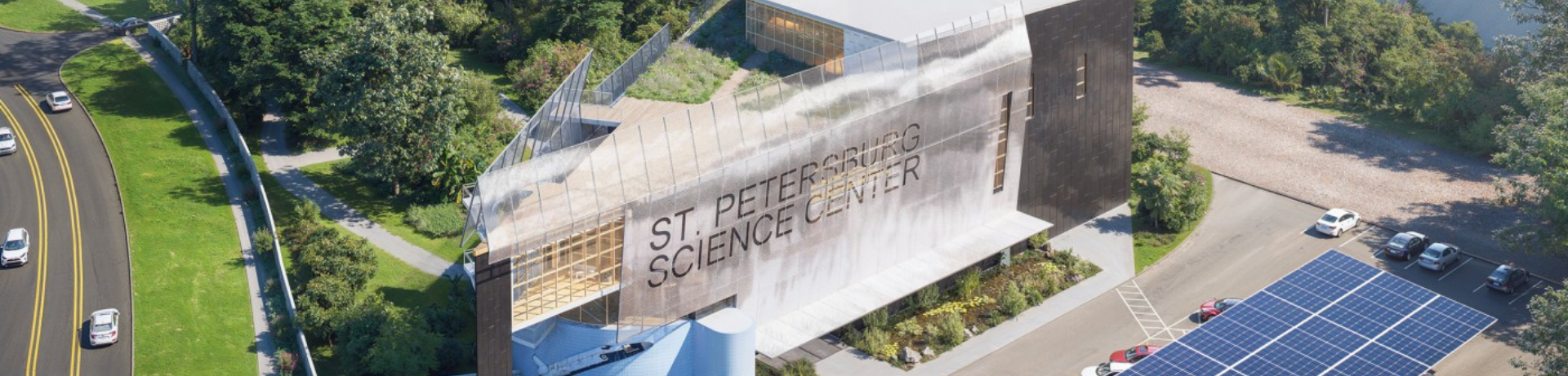
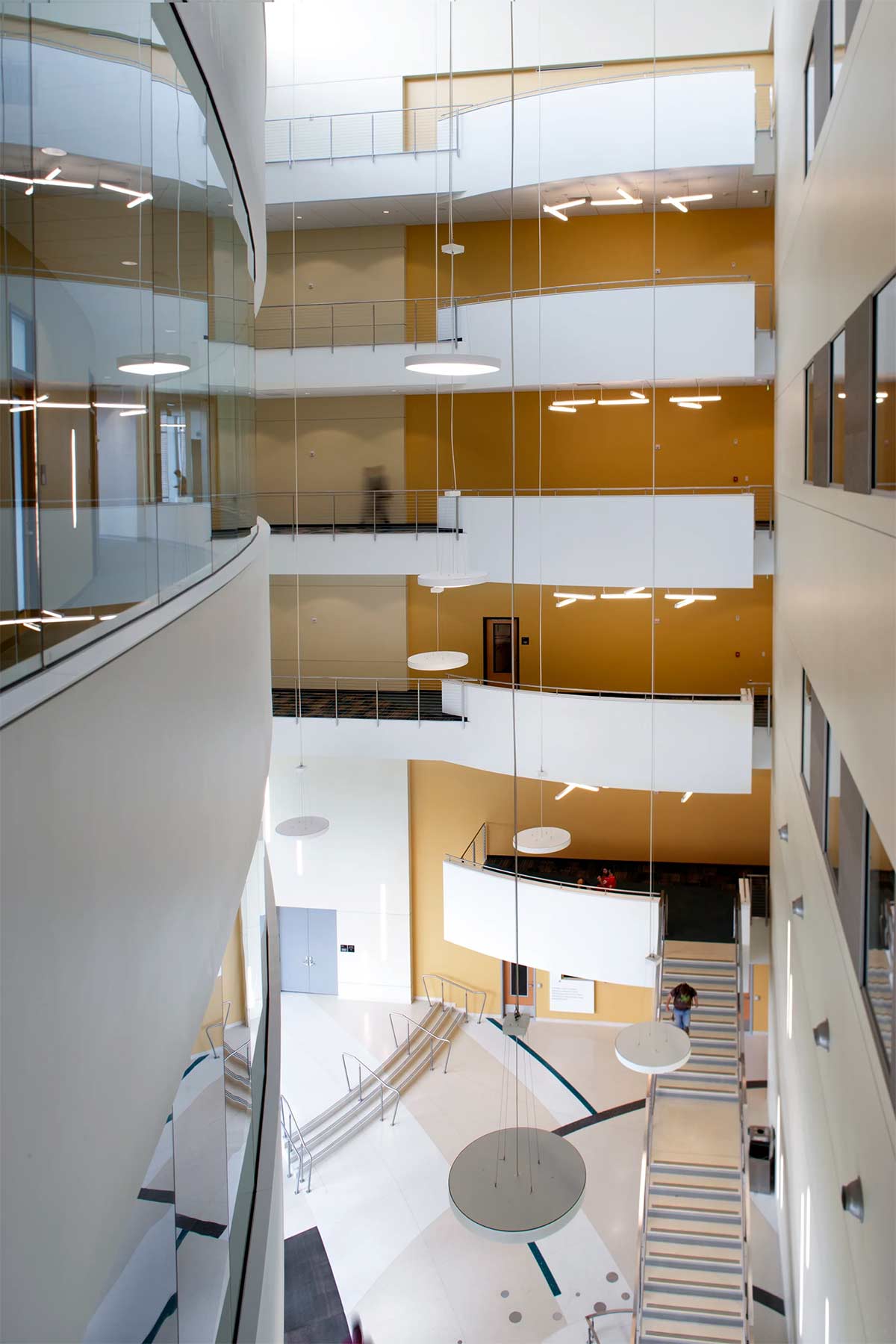
ST. PETERSBURG SCIENCE CENTER
ST. PETERSBURG
SCIENCE CENTER
ST. PETERSBURG SCIENCE CENTER
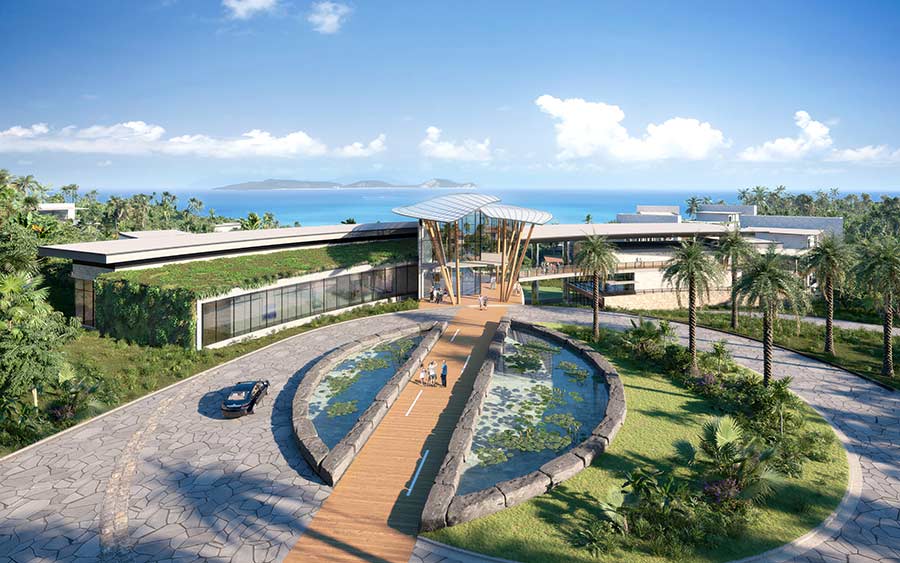
WELLNESS center
WELLNESS CENTER
WELLNESS CENTER
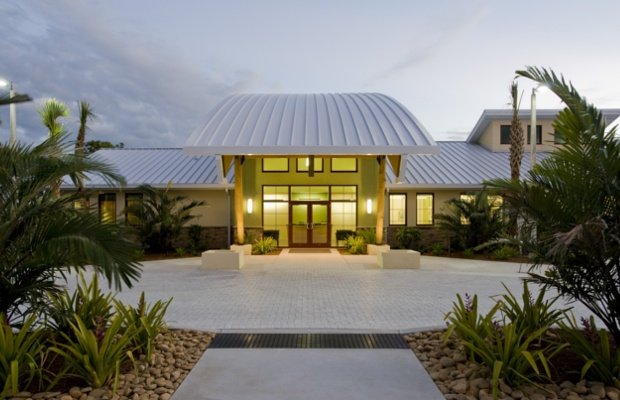
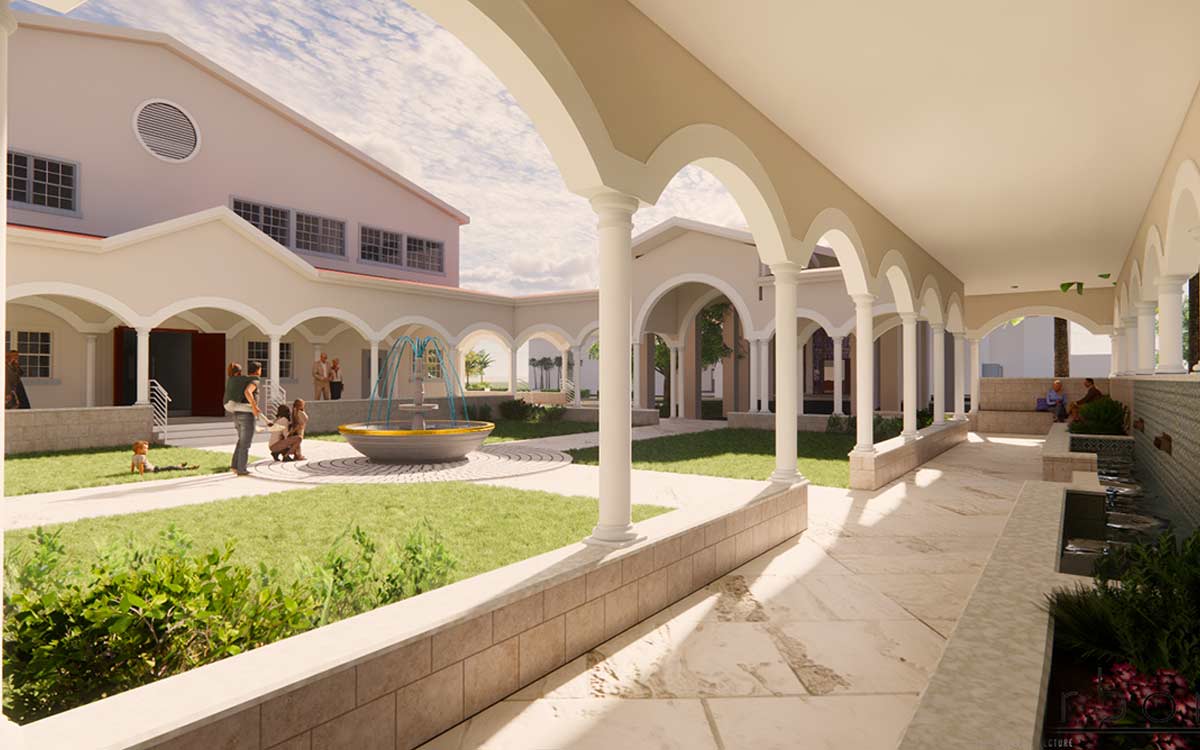
LAKEWOOD RANCH CANCER CENTER
LAKEWOOD RANCH
CANCER CENTER
LAKEWOOD RANCH CANCER CENTER
You arrive with ambition, a vision for what a place could become, and the conviction that the built environment is part of how that happens.
The developer who sees the wellness district as a new model for how people live. The visionary behind the eco-generative community that does not exist yet but should. The institution ready to build something that changes how an entire neighborhood experiences health, nature, and belonging.
Our clients do not need to be inspired. They need a design partner with the intelligence, the rigour, and frankly the nerve to match their vision and then build something better than either of us imagined.
.png)



.png)
the more complex the brief, the more rigorous the architecture
CRBN exists at the intersection of two rare things: clients who are bold enough to build something that changes how peopl live, and a design practice with the philosophy, the toolkit, and the nerve to match them.
Sean Williams has spent twenty years developing a design practice rooted in the conviction that nature has already solved most of the problems the built environment is still arguing about. The buildings and districts that come out of that thinking are designed to last, to perform, and to become part of how a community tells its own story.
Every project is also a small but specific proof that design, when wielded with intelligence and conviction, is one of the most powerful tools available for building a healthier planet.
.png)
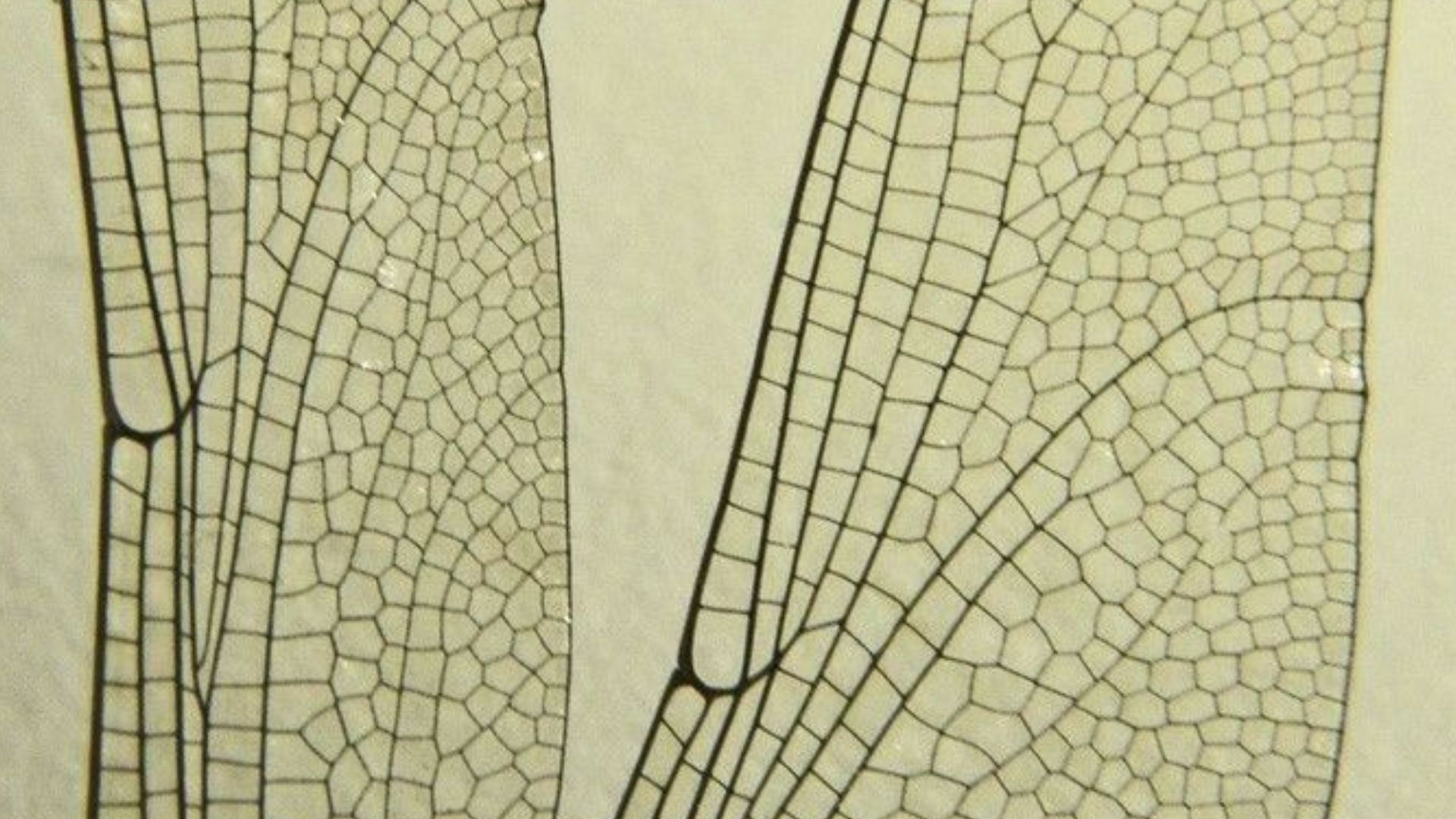
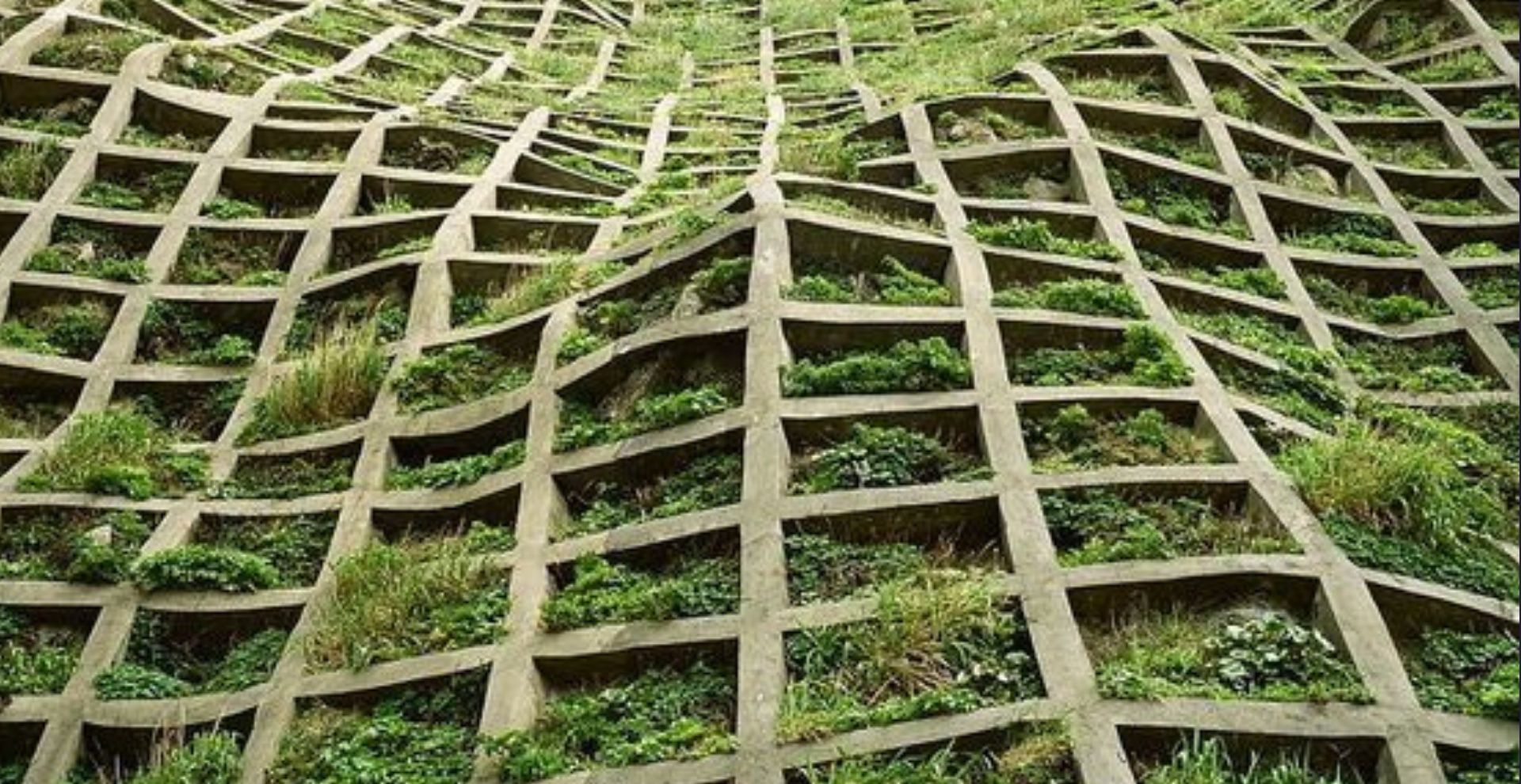
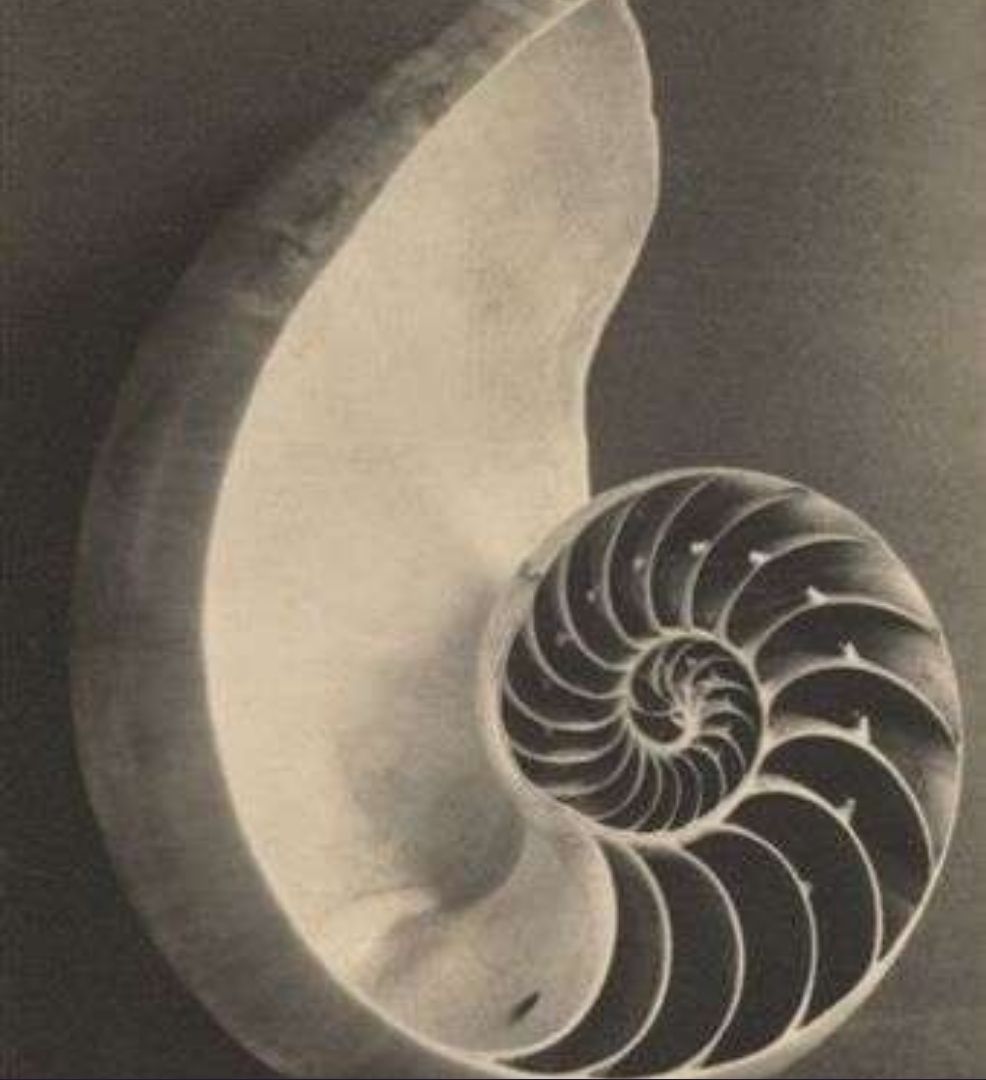
We design at the edge of what design intelligence can actually achieve, which requires the courage to ask what a building can genuinely become when convention is not the starting point.
Intelligence shows up in two ways on every project. The first is knowing what our clients actually need versus what they came in asking for. The second is a design toolkit drawn from natural systems that have been solving structural, thermal, and material problems with a precision that human engineering is still catching up to.
Every decision in our buildings is made deliberately, from the system that regulates temperature to the surface a patient touches first to the threshold a student crosses on their first day of class. We care about the details no one consciously notices but that everyone consistently feels, and we finish what we promise, which turns out to be rarer than it should be.
We tell our clients what their project needs to hear, not what they came in hoping to. We deliver what we promise, we do not pitch work we cannot do, and the relationship is always more important than the transaction.
Buildings last decades, and the choices made in design affect institutions, communities, and the planet long after the construction fence comes down. Every project we take on is a small but specific proof that design, wielded with intelligence and conviction, is one of the most powerful tools available for building a healthier world.